
AI-Driven Digital Twin Technology for Indian Manufacturing 2026
Discover how AI-driven digital twin technology is transforming Indian manufacturing by 2026. Learn about its benefits, costs, and implementation strategies.
Cyber Milo Team
Product, AI, and digital growth notes
AI-Driven Digital Twin Technology for Indian Manufacturing 2026
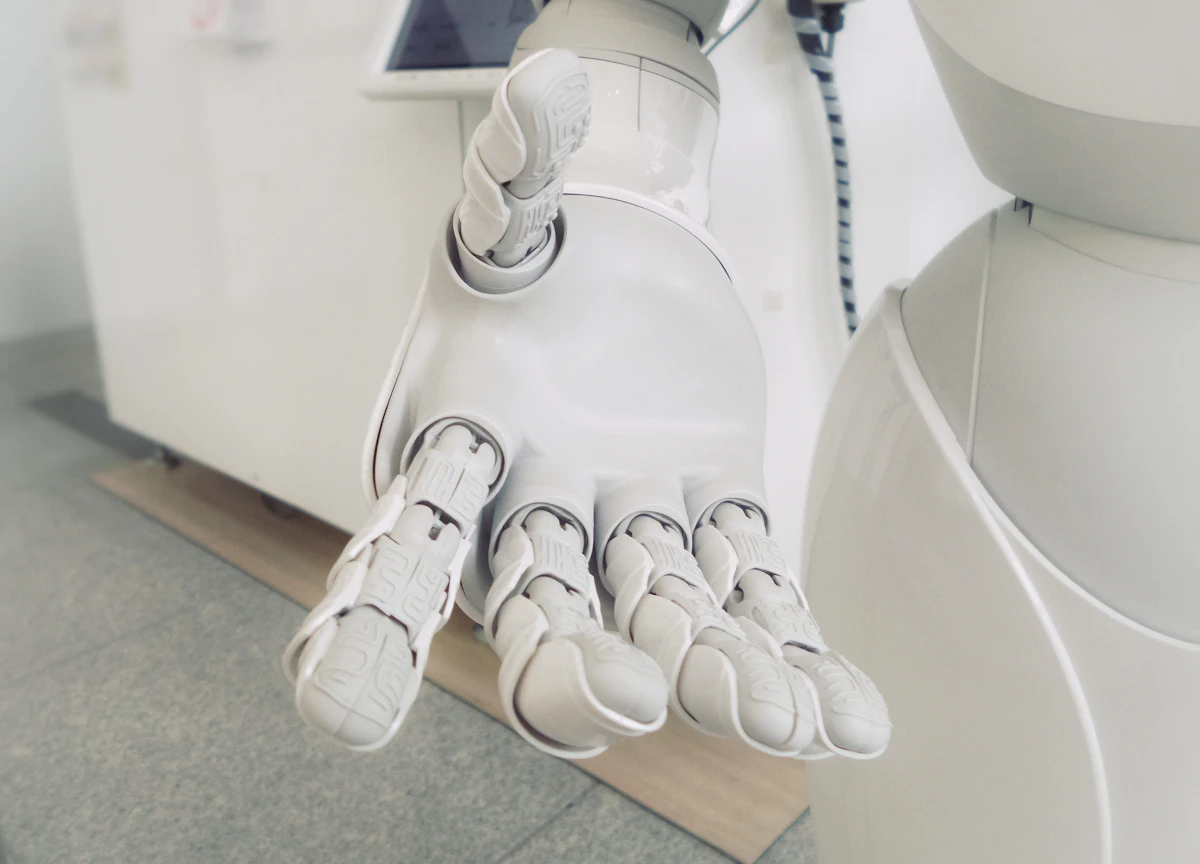
The Indian manufacturing sector is on the cusp of a revolution, driven by the adoption of cutting-edge technologies like AI-driven digital twin technology. By 2026, this technology is expected to play a pivotal role in transforming the industry, enhancing efficiency, reducing costs, and improving product quality. In this blog, we'll delve into the world of AI digital twin India manufacturing 2026, exploring its applications, benefits, and implementation strategies.
How AI-Driven Digital Twin Technology Works in Manufacturing
AI-driven digital twin technology involves creating a virtual replica of a physical asset, such as a machine or a production line. This digital twin is then used to simulate various scenarios, predict potential issues, and optimize performance. By leveraging AI and machine learning algorithms, digital twins can analyze vast amounts of data, identify patterns, and make predictions, enabling manufacturers to make data-driven decisions.
Cost-Benefit Analysis of Implementing AI Digital Twin in Indian Manufacturing 2026
Implementing AI-driven digital twin technology in Indian manufacturing is expected to yield significant benefits, including reduced maintenance costs, improved product quality, and increased productivity. According to a report by MarketsandMarkets, the digital twin market in India is projected to grow at a CAGR of 45.6% from 2022 to 2027, reaching a value of ₹13,411 crores by 2027. By 2026, Indian manufacturers can expect to save up to 15% on maintenance costs and improve product quality by up to 20% through the adoption of digital twin technology.
Comparison of AI-Driven Digital Twin with Traditional Manufacturing Methods
Traditional manufacturing methods rely heavily on manual inspections, trial-and-error approaches, and reactive maintenance strategies. In contrast, AI-driven digital twin technology enables proactive maintenance, predictive quality control, and optimized production planning. A study by McKinsey found that digital twins can reduce production downtime by up to 30% and improve overall equipment effectiveness by up to 25%.
Tips for Successful Implementation of AI Digital Twin in Indian Manufacturing
To successfully implement AI-driven digital twin technology in Indian manufacturing, companies should focus on the following key strategies:
- Data Integration: Ensure seamless integration of data from various sources, including sensors, machines, and enterprise systems.
- AI and Analytics: Leverage AI and machine learning algorithms to analyze data and gain actionable insights.
- Collaboration: Foster collaboration between IT, OT, and business stakeholders to ensure alignment and effective implementation.
- Change Management: Develop a robust change management strategy to ensure a smooth transition to digital twin technology.
Overcoming Challenges in AI Digital Twin Adoption in India
Despite the numerous benefits, Indian manufacturers face several challenges when adopting AI-driven digital twin technology, including data quality issues, lack of skilled personnel, and high implementation costs. To overcome these challenges, companies can consider partnering with experienced technology providers, investing in employee training, and adopting a phased implementation approach.
Frequently Asked Questions
Q: What is the expected growth rate of the digital twin market in India by 2026?
A: The digital twin market in India is expected to grow at a CAGR of 45.6% from 2022 to 2027.
Q: How can AI-driven digital twin technology benefit Indian manufacturers?
A: AI-driven digital twin technology can help Indian manufacturers reduce maintenance costs, improve product quality, and increase productivity.
Q: What are the key challenges in adopting AI-driven digital twin technology in Indian manufacturing?
A: The key challenges include data quality issues, lack of skilled personnel, and high implementation costs.
Q: How can Indian manufacturers overcome the challenges in adopting AI-driven digital twin technology?
A: Indian manufacturers can overcome these challenges by partnering with experienced technology providers, investing in employee training, and adopting a phased implementation approach.
As Indian manufacturing continues to evolve, AI-driven digital twin technology is poised to play a vital role in shaping the industry's future. By understanding the benefits, costs, and implementation strategies, manufacturers can harness the power of digital twins to drive growth, innovation, and competitiveness. To explore how AI-driven digital twin technology can benefit your organization, consider consulting with experts who can help you navigate the complexities of implementation. Get a free project estimation at cybermilo.com/estimator or schedule a consultation at cybermilo.com/contact to discover the possibilities.
Explore our services
Build
Web Development
Conversion-focused websites, portals, and business platforms built for speed and scale.
Learn moreGrowth
Digital Marketing
SEO, landing-page optimization, analytics, and campaign systems for predictable growth.
Learn moreProduct
Web Apps
Custom browser-based applications with dashboards, workflows, and secure user access.
Learn moreMobile
App Development
Cross-platform and native-feel mobile apps for operations, customer engagement, and product delivery.
Learn moreMore Cyber Milo insights
security
Cybersecurity Best Practices for Indian Remote Workforces 2026
Discover essential cybersecurity best practices for Indian remote workforces in 2026. Protect your business from rising cyber threats with expert tips and strategies.
Readdesign
UX Design Principles for Indian Financial Apps in 2026
Discover essential UX design principles for Indian financial apps in 2026. Learn how to create user-friendly, secure, and intuitive interfaces that drive adoption and customer satisfaction.
Readbusiness
Indian Fintech Companies' Adoption of Blockchain in 2026
Discover how Indian fintech companies are adopting blockchain technology in 2026, driving innovation and growth in the financial sector with enhanced security and transparency.
Read